
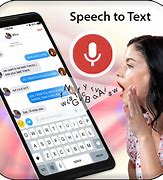
In a world where speed and convenience are more important than ever, voice typing has become a powerful tool for people of all ages. Whether you’re a student writing an assignment, a professional creating reports, or a senior looking for an easier way to communicate, voice typing can make life a lot simpler. But like any technology, using it the right way makes all the difference.
This blog will guide you through the benefits of voice typing, how to use it correctly, the best tools available, and some helpful tips to make the most of this technology.
What is Voice Typing?
Voice typing, also known as speech-to-text, is a technology that converts spoken words into written text. Instead of typing on a keyboard, you simply speak, and the words appear on your screen. This is made possible through Artificial Intelligence (AI) and Natural Language Processing (NLP) technologies that understand and process human speech.
Voice typing is widely available on smartphones, tablets, and computers. It’s commonly used in applications like Google Docs, Microsoft Word, WhatsApp, and even email platforms.
Why Use Voice Typing?
There are many reasons to use voice typing:
- Faster than typing: Most people speak faster than they type, so voice typing can speed up your work significantly.
- Hands-free convenience: It’s great for multitasking or for those who have difficulty using a keyboard.
- Accessibility: Voice typing is a huge help for people with physical disabilities, visual impairments, or motor difficulties.
- Reduces strain: It can reduce the risk of repetitive strain injuries caused by long hours of typing.
Whether you’re writing a document, sending a message, or taking notes, voice typing offers a more natural and efficient way to work.
Built-in Voice Typing Tools
Most devices come with built-in voice typing features. These are easy to access and require no extra software.
- Google Voice Typing (Android and Google Docs): To use this, open Google Docs, click on “Tools,” and select “Voice Typing.” On Android, tap the microphone icon on the keyboard.
- Apple Dictation (ios and macOS): On iPhones and iPads, you can tap the microphone icon on the keyboard. On Mac, go to System Settings > Keyboard > Dictation and enable it.
- Windows Voice Typing: Press Win + H on your keyboard to activate voice typing in any text box on Windows 10 or 11.
- Microsoft Word Dictate: Microsoft 365 users can use the “Dictate” button on the toolbar in Word or Outlook.
These built-in tools are reliable and ideal for everyday users.
Best Practices for Using Voice Typing
To use voice typing effectively, follow these tips:
1. Speak Clearly and Naturally
Speak at a normal pace and volume. Enunciate words clearly to help the software recognise your speech. Avoid mumbling or speaking too fast.
2. Use Proper Punctuation Commands
You can say punctuation marks like “comma,” “period,” “question mark,” and “new paragraph.” For example:
You say: “Hi there comma, how are you question mark”
It types: “Hi there, how are you?”
3. Minimise Background Noise
A quiet environment helps the microphone pick up your voice accurately. Background noise can confuse the software and lead to errors.
4. Use a Good Microphone
Using earphones or an external microphone improves accuracy. Built-in microphones work, but may not always deliver the best quality.
5. Proofread Your Text
Even the best voice typing tools can make mistakes. Always go back and read your text before submitting or sharing it.
These simple habits ensure that your voice typing experience is smooth and productive.
Voice Typing for Productivity
Many people use voice typing to boost productivity. If you have to write a lot—whether it’s emails, reports, blogs, or notes—voice typing can cut your writing time in half. It’s also helpful during brainstorming sessions. You can speak your ideas freely without stopping to type, then go back and organise them later.
Apps like Otter.ai and Speechnotes are great for recording meetings, interviews, or lectures and converting them into editable text. Journalists, students, and writers find these tools especially useful .
If you’re someone who thinks faster than you can type, voice typing is a game-changer.
Voice Typing for Accessibility
Voice typing is a life-changing feature for individuals with disabilities. People with arthritis, carpal tunnel syndrome, or other physical conditions often find it hard to use a keyboard for long periods. Voice typing allows them to continue working, studying, or communicating comfortably.
For visually impaired users, screen readers combined with voice typing offer a more inclusive way to interact with technology. According to the World Health Organisation, over 2.2 billion people globally live with vision impairment or blindness, making accessible tools like voice typing increasingly important.
Voice Typing in Different Languages
One of the amazing features of voice typing is multilingual support. Tools like Google Voice Typing and Microsoft Dictate support multiple languages, including Hindi, Spanish, French, Chinese, Arabic, and many more.
This is especially useful for people who are more comfortable speaking in their native language. You can dictate texts, write essays, or send messages in your chosen language without needing to type it out manually.
To change the language, go to your voice typing settings and choose the desired language. Make sure the language pack is downloaded on your device if needed.
Limitations and Things to Watch Out For
While voice typing is convenient, it’s not perfect. Here are a few limitations:
- Accuracy issues: It may misinterpret certain words or accents, especially with background noise or unclear speech.
- Privacy concerns: Voice data may be sent to servers for processing, which could raise privacy issues. Always check app permissions and privacy settings.
- Lack of formatting: Complex formatting, like tables or bullet points, still needs manual input.
- Not ideal for every situation: In quiet public places or open offices, voice typing might not be appropriate.
Understanding these limitations helps you use voice typing more wisely and effectively.
Future of Voice Typing
Voice typing is getting smarter every year, thanks to advancements in artificial intelligence. It’s expected to play a bigger role in our daily lives, especially with the growth of smart assistants like Siri, Alexa, and Google Assistant.
Future updates may bring better accuracy, deeper integration with apps, and more intuitive controls. As the technology improves, voice typing could eventually replace traditional typing for many people.
Conclusion
Voice typing is a simple yet powerful tool that can improve communication, boost productivity, and make digital life more accessible for everyone. By learning how to use it the right way—speaking clearly, using punctuation commands, and proofreading your work—you can get the best results from this amazing technology.
Whether you’re writing an essay, replying to messages, or taking notes on the go, voice typing helps you save time and work smarter. Embrace it, explore its features, and make it a part of your digital routine.
The Best Way to Manage Study During Holidays
References
- IBM. (n.d.). What is Natural Language Processing (NLP)? https://www.ibm.com/cloud/learn/natural-language-processing
- Microsoft. (n.d.). Accessibility Features in Windows. https://support.microsoft.com/en-us/windows/accessibility-support
- Otter.ai. (n.d.). Features Overview. https://otter.ai/features
- World Health Organisation. (2019). World Report on Vision. https://www.who.int/publications/i/item/9789241516570