

The college library is much more than just a place to find books. It is a center of knowledge, learning, and growth that supports students throughout their academic journey. Whether you are a new student or a senior, knowing how to use the college library correctly can make a huge difference in your studies and overall college experience. This blog will guide you through the right way to use the college library, helping you get the most out of this valuable resource.
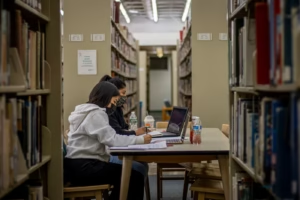
Why is the College Library Important?
Libraries have been an essential part of education for centuries. In college, the library is your gateway to a vast collection of books, journals, digital resources, and study spaces. It offers quiet and focused environments where you can research, read, and study effectively. Many students overlook the benefits of the library, relying solely on the internet or classroom notes. However, the library often provides more reliable, in-depth, and credible information compared to many online sources.
Besides books, libraries provide access to academic databases, e-books, research papers, and periodicals that you might not find elsewhere. It also supports different learning styles through group study rooms, individual study carrels, and computer access.
How to Get Started with Using the Library
Before you dive into studying, it’s essential to familiarize yourself with the library’s layout and services. Most college libraries offer orientation sessions or tours for new students. Attending these can help you understand where to find books, how to use the catalog system, and what rules to follow.
Start by getting a library card or registration if required. This card gives you access to borrow books, use digital resources, and sometimes even access printers and computers.
Learning to use the library catalog is critical. This online system lets you search for books and materials by title, author, subject, or keyword. Once you find what you need, note down the location or call number so you can find the item on the shelves easily.
Using Library Resources Effectively
The library is packed with resources, but using them efficiently requires strategy. Begin with understanding your research topic clearly. This helps you narrow down which books or articles will be most useful.
Don’t hesitate to ask librarians for help. Librarians are experts in finding information quickly and can guide you to the best sources. They can also assist with citation styles, research tips, and accessing restricted materials.
Make use of electronic resources such as online databases and e-journals. Many college libraries subscribe to platforms like JSTOR, Google Scholar, or ProQuest, giving you free access to academic papers and articles. Access these via your college login credentials.
Creating a Good Study Environment in the Library
One of the biggest advantages of the college library is the atmosphere it provides. Most libraries have quiet zones for focused study and separate areas for group discussions. Choose the area that fits your study style. If you prefer silence, find a quiet corner or study carrel. If you need to work with classmates, book a group study room.
Always respect library rules like keeping your phone on silent, talking softly, and not eating in study areas. These rules help maintain a productive environment for everyone.
Bring necessary supplies like notebooks, pens, and laptops, but try to pack light to avoid disturbing others. Also, keep track of your belongings, so you don’t lose anything in the library.
Borrowing Books and Returning Them on Time
Most college libraries allow you to borrow books for a set period. Understand the borrowing policies clearly — how long you can keep books, how many you can borrow at once, and late return fines. Returning books on time is important so others can access them too.
Some libraries offer renewals if you need more time. However, if another student requests the same book, you might have to return it earlier. Use online accounts provided by the library to keep track of your borrowed items.
If you lose or damage a book, report it immediately. Libraries often have replacement costs, and it’s better to resolve these issues quickly.
Using Technology in the Library
Modern college libraries have embraced technology to improve the learning experience. Apart from computers and Wi-Fi, many libraries offer access to printers, scanners, and photocopiers.
Some libraries also have self-checkout machines to borrow books quickly without waiting in line. Others provide apps or online portals where you can search catalogs, reserve study rooms, or access digital resources remotely.
Take advantage of workshops or tutorials offered by your library to learn new digital skills, like using citation management tools (Zotero, Mendeley) or advanced research databases.
Respecting Library Etiquette and Other Users
A library is a shared space, so respecting others is crucial. Keep noise to a minimum, avoid strong smells like perfume or food, and handle books and equipment with care.
If you need help or information, politely approach librarians or staff. They are there to assist you and maintain the library environment.
Being considerate also means cleaning up after yourself, returning chairs or materials to their places, and following library timings.
How the Library Supports Academic Success
Regular use of the college library can boost your academic performance. It encourages disciplined study habits and deeper engagement with your subjects. By accessing a wide range of credible materials, you develop better research skills and critical thinking.
Additionally, libraries often host academic events, reading clubs, or guest lectures that enrich your learning beyond the classroom.
For students struggling with assignments, libraries sometimes offer tutoring or writing help services. Take advantage of these if you need extra support.
Conclusion: Make the Library Your Learning Partner
The college library is a powerful tool that can make your academic life easier and more rewarding. By learning how to use it properly — from finding the right resources to following library etiquette — you set yourself up for success.
Remember, a library is not just about borrowing books but about connecting with knowledge, technology, and community. Embrace it fully and watch your learning grow.
The Best Way to Manage Internship Rejections
References
- University of California Libraries. “Using Your College Library: A Student Guide.” https://www.library.universityofcalifornia.edu
- American Library Association. “Tips for College Library Use.” https://www.ala.org
- JSTOR. “How to Use Academic Databases.” https://www.jstor.org
- ProQuest. “Getting Started with ProQuest Databases.” https://www.proquest.com
- University of Michigan Library. “Library Etiquette and Best Practices.” https://www.lib.umich.edu