
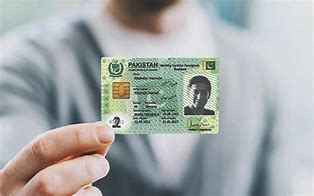
In today’s world, ID cards have become essential. Whether for students, employees, government services, or memberships, an ID card is more than just a piece of plastic or paper. It serves as your identity proof, access key, and sometimes even a financial tool. But are you using your ID card smartly? Many people overlook important ways to protect and maximize their ID cards’ potential. This blog will guide you on how to use your ID card wisely and safely.

Understanding the Importance of Your ID Card
An ID card is a personal document that represents you officially. It may contain your name, photo, date of birth, and sometimes sensitive data like an address or barcode linked to your records. For students, it gives access to school facilities and exams; for employees, it opens doors to offices and pays salaries; for citizens, it proves identity for legal matters. Because of this, ID cards must be handled with care.
Your ID card confirms who you are. Misuse or loss of your ID card can lead to identity theft, unauthorized access, or financial fraud. Therefore, understanding the importance of your ID card is the first step to using it smartly.
Protecting Your ID Card from Loss or Theft
One of the most common mistakes people make is being careless with their ID cards. Losing an ID card can cause many troubles, from identity misuse to being denied access to important services.
Tips to Protect Your ID Card:
- Always keep your ID card in a safe place, like a wallet or a designated holder.
- Avoid leaving it unattended in public places.
- If your ID card is physical, avoid bending or damaging it.
- For digital ID cards stored on your phone or app, use passwords or biometric locks.
- Report immediately if your card is lost or stolen, so the issuing authority can block it or issue a replacement.
Using Your ID Card for Authorized Purposes Only
Your ID card is issued with a specific purpose, such as identification or access control. Using it beyond that scope can be risky or even illegal.
For example, a student ID card is meant for school premises access and student benefits, not for use in financial transactions unless specified. An employee ID card should not be lent to others or used to enter restricted areas without proper authorization.
Always use your ID card according to the rules provided by the issuer. Misuse can lead to penalties, cancellation of the card, or even legal action.
Enhancing Security with Digital ID Cards
With technology advancing, many institutions are moving from physical cards to digital ID cards stored on smartphones. These digital versions often come with extra layers of security, such as encryption, QR codes, and biometric verification.
Using digital ID cards smartly means:
- Keeping your phone secure with a strong password or biometric lock.
- Only downloading official apps from trusted sources.
- Avoiding sharing your digital ID card with others.
- Updating the app or software regularly to protect against security vulnerabilities.
Digital ID cards reduce the risk of loss or theft and make verification quicker and more efficient. They also allow easy updating of information without the need for reissuing a physical card.
The Role of ID Cards in Access Control and Attendance
In workplaces and educational institutions, ID cards are often used for attendance and access control. Smart use means ensuring your card is scanned properly and not used by anyone else.
In some places, RFID (Radio Frequency Identification) or NFC (Near Field Communication) technology is embedded in ID cards to allow contactless entry. Always handle such cards carefully because these chips can be damaged by water, magnets, or physical bending.
Avoid letting others borrow your card, as this compromises security and accountability.
Using Your ID Card to Access Benefits and Services
Many ID cards give you access to discounts, healthcare, transportation, or library services. Using your card smartly means being aware of the benefits it offers and not missing out.
For instance:
- Student ID cards can offer discounts on travel, books, and events.
- Employee ID cards may provide health insurance or meal benefits.
- Government-issued ID cards can unlock welfare schemes, subsidies, or voting rights.
Keep yourself informed about these benefits by checking official websites or notices from the card issuer.
Handling Personal Information on Your ID Card
Your ID card contains personal information, so protecting your privacy is crucial. Never share pictures of your ID card on social media or with unknown people.
If you need to share your ID information, ensure it’s done through secure, official channels only. Some scams involve fake requests for your ID card details to commit fraud.
Always be cautious and verify the authenticity of the request before sharing your ID card details.
How to Renew or Replace Your ID Card
ID cards usually have an expiry date or need to be replaced if damaged or lost. Renewing or replacing your ID card promptly ensures you always have valid identification.
Check with your card issuer about the process, which may involve submitting forms, photographs, or paying a small fee. Many organizations now offer online renewal services, making it easier to update your information.
Keep track of your ID card’s expiry date to avoid last-minute hassles.
Legal and Ethical Responsibilities with Your ID Card
Your ID card is an official document, so using it responsibly is a legal and ethical obligation. Fraudulent use, lending your card, or tampering with it can lead to serious consequences.
Being honest with your ID card use maintains trust between you and the institution issuing it. It also protects you from becoming a victim of misuse.
If you notice someone misusing ID cards, report it to authorities to help maintain security and fairness.
The Future of ID Cards: Smart Cards and Biometrics
Looking ahead, ID cards are becoming smarter with technology like biometrics (fingerprints, facial recognition), blockchain, and multi-factor authentication.
These innovations aim to make ID verification more secure and convenient. As users, embracing these technologies means:
- Staying updated with how your ID cards work.
- Adopting new security features like biometric scans.
- Understanding the privacy policies related to your biometric data.
The future of ID cards promises better protection and usability when used correctly.
Conclusion: Make Your ID Card Work for You Safely
Your ID card is a valuable tool that opens doors to many services and privileges. Using it smartly means protecting it from loss, using it for the right purposes, and safeguarding your personal information. Whether you have a physical or digital ID card, always handle it responsibly.
By staying informed about your ID card’s features, security measures, and benefits, you can maximize its use and avoid common risks. Remember, your ID card is part of your identity – treat it with the care it deserves.
The Best Approach to Make a Resume
References
- Identity Theft and ID Card Security – Federal Trade Commission (FTC)https://consumer.ftc.gov/articles/what-identity-theft
- Digital Identity Cards and Privacy – National Institute of Standards and Technology (NIST) https://www.nist.gov/itl/applied-cybersecurity/privacy-engineering
- Best Practices for ID Card Usage – International Association of Campus Card Users (IACCU) https://www.iaccu.org/
- Benefits of Student ID Cards – Student Advantage Program https://www.studentadvantage.com/
- Biometric ID and Future Trends – World Economic Forumhttps